November 20, 2026
Windows provide natural light, ventilation, and protection from outdoor conditions. However, exposure to changing temperatures, moisture, and everyday wear can affect their performance over time. Recognizing when existing windows need attention can help homeowners maintain indoor comfort, improve energy efficiency, and preserve their property's appearance. Windows also contribute to a home's overall design, influencing curb appeal and the appearance of both interior and exterior spaces. Keeping them in good condition helps maintain these features while supporting the property's long-term functionality.
Several warning signs can indicate that older windows are no longer performing as expected. Difficulty opening or closing them, persistent drafts, visible condensation between glass panes, and damaged frames may signal underlying problems. Water infiltration, peeling finishes, and noticeable temperature differences near windows can also indicate that an upgrade is worth considering. Homeowners may also notice increased outside noise or fading around window openings when older products no longer provide adequate protection. Paying attention to these changes can help determine when professional evaluation is appropriate.
The age of existing windows can provide additional insight when planning a replacement project. According to This Old House, aluminum and wood windows typically last approximately 15–30 years, while vinyl models may last 20–40 years and fiberglass frames can remain functional for 30–50 years. However, these estimates vary depending on maintenance, installation quality, and environmental conditions. Some windows may only need repairs, while extensive wear or declining performance may make a complete replacement more practical.
Improving Comfort and Energy Efficiency
Older windows can affect indoor temperatures and make it harder to maintain a comfortable home. Poor seals and inadequate insulation allow heated or cooled air to escape, potentially increasing the workload on heating and cooling systems. Over time, this can contribute to higher utility bills and uneven temperatures throughout different rooms. These issues may become especially noticeable during seasonal temperature changes when heating and cooling systems operate more frequently.
Modern window designs offer features that help reduce unwanted heat transfer. Double-pane and triple-pane glass, low-emissivity (Low-E) coatings, and insulated construction can improve thermal performance. These features help limit heat loss during colder months and reduce unwanted heat gain when outdoor temperatures rise. The type of glass, frame construction, and overall window design can all influence how effectively a product helps regulate indoor temperatures.
Window replacement can also improve other aspects of indoor comfort. Properly fitted windows help reduce outside noise, limit drafts, and protect furnishings from UV exposure when equipped with appropriate glass options. Homeowners can discuss available energy-efficient products and glass features during a professional consultation to find options that suit their property's needs.
Comparing Window Styles and Designs
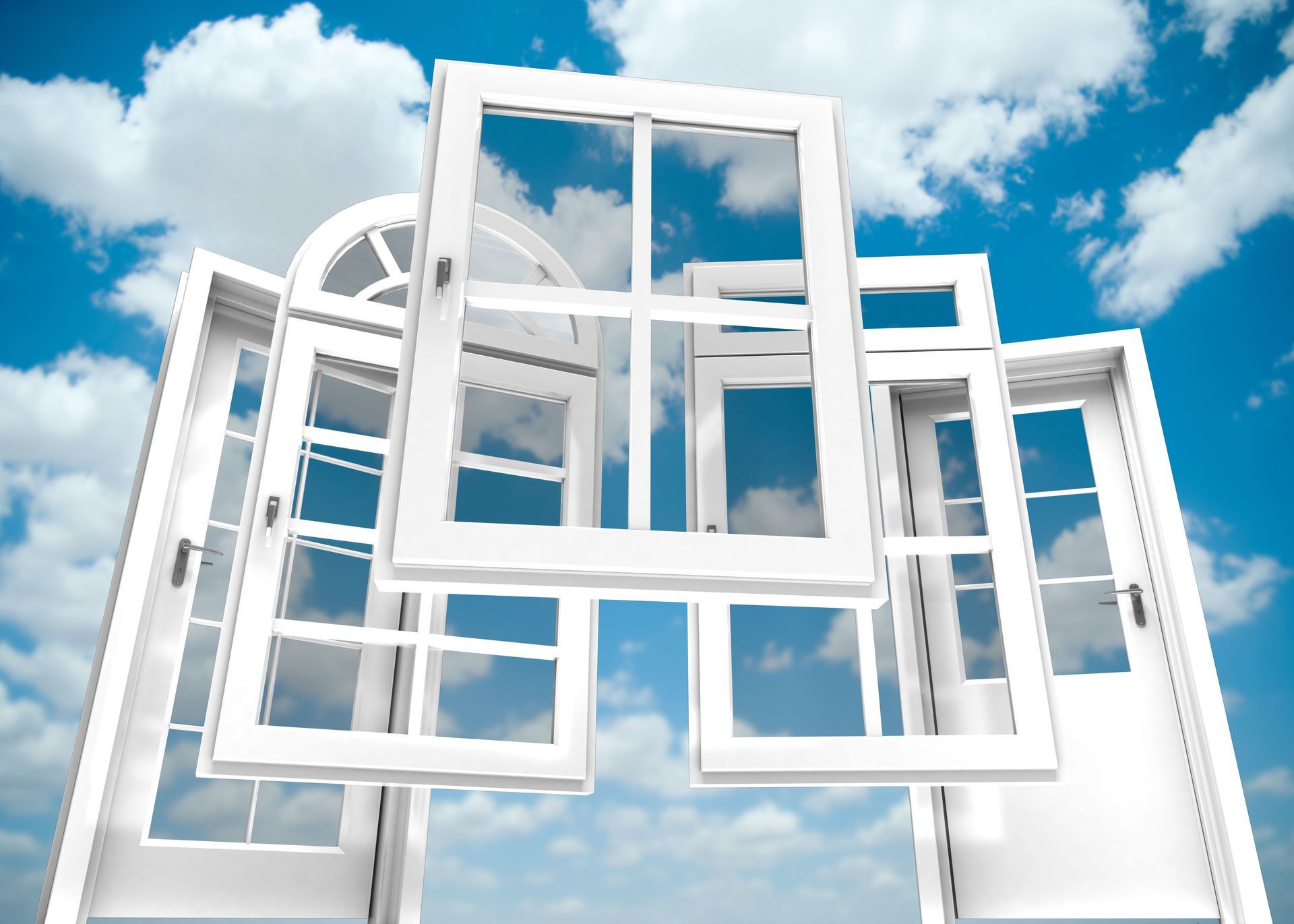
Choosing a window style involves considering the home's architecture, available space, ventilation needs, and personal preferences. AP Window Co. offers several residential window styles, giving homeowners options for different rooms and design goals. Each configuration provides distinct functional and visual characteristics. The placement of each window also matters, as some styles work better in rooms where ventilation is a priority, while others emphasize natural light and outdoor views.
Double-hung windows feature two movable sashes that slide vertically, allowing homeowners to adjust ventilation from the top or bottom. Single-hung windows have a movable lower sash and a stationary upper section, providing a traditional appearance. Casement windows open outward with a crank mechanism, making them useful in areas where adjustable airflow is important.
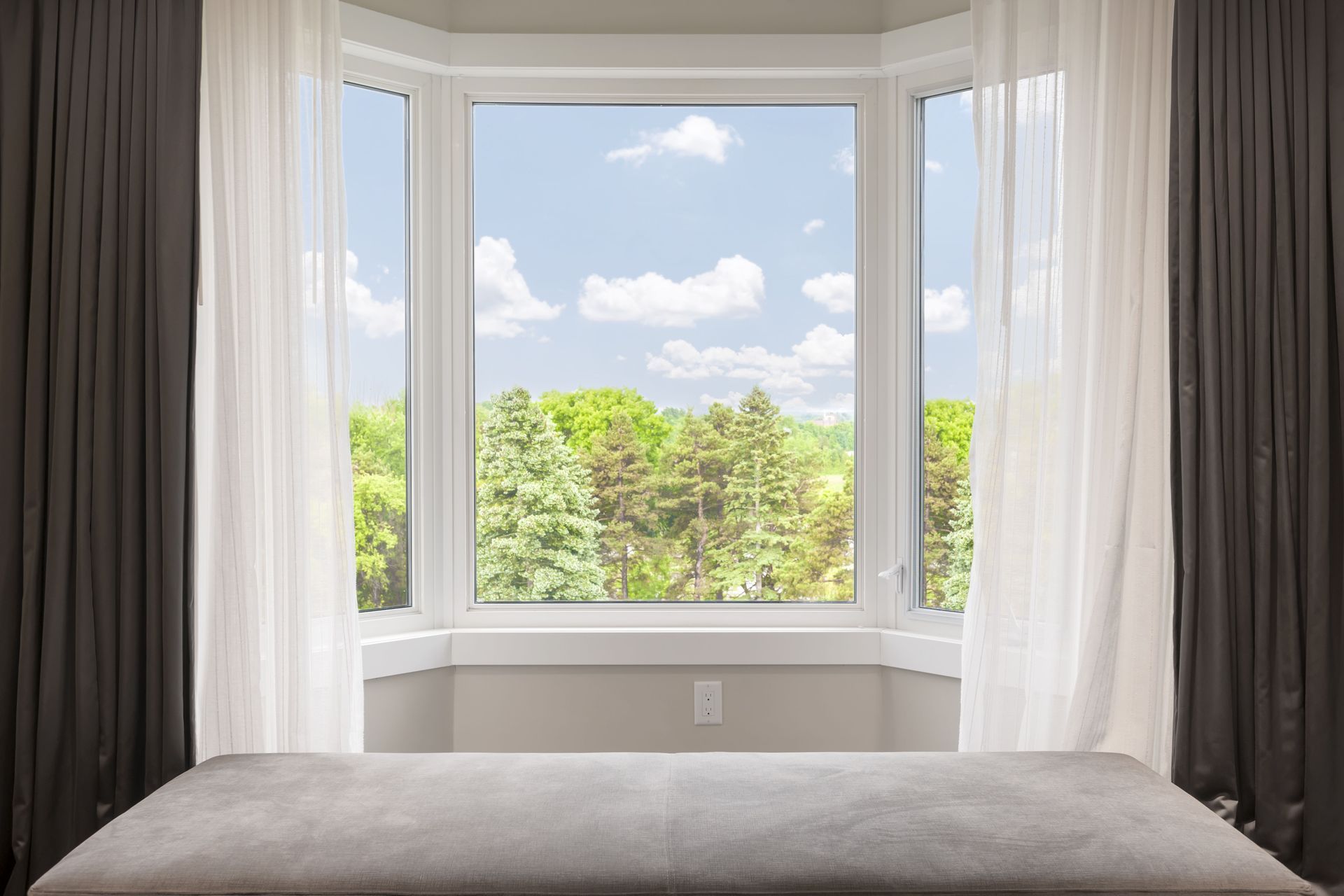
Slider windows move horizontally along a track and work well in wider openings. Picture windows remain fixed, providing expansive outdoor views and allowing natural light into living spaces. Awning windows open outward from the bottom, while bay and bow windows extend beyond the exterior wall to create additional interior space and visual interest.
For homeowners interested in distinctive architectural details, round-top and specialty-shaped windows offer additional design possibilities. Arched, triangular, and octagonal configurations can complement existing architectural features or create decorative focal points. Custom sizing and design options also help accommodate openings that do not fit standard window dimensions.
Evaluating Window Frame Materials
Window frame materials influence durability, appearance, maintenance requirements, and overall performance. Vinyl, wood, aluminum, and fiberglass each have different characteristics that homeowners should consider when comparing available products. The right selection depends on the home's design, desired maintenance level, budget, and performance expectations. Considering these differences before purchasing can help homeowners narrow their options and select products that complement their property's existing features.
Vinyl frames are popular because they require relatively little maintenance and resist moisture-related deterioration. They are available in different styles and finishes, making them adaptable to many residential properties. Wood frames offer a traditional appearance and natural insulating properties, although they generally require more maintenance to protect against moisture and weather exposure.
Aluminum frames provide structural strength and can accommodate narrower profiles, creating a streamlined appearance. However, their thermal performance depends on the frame's construction and insulation features. Fiberglass frames offer dimensional stability and resistance to expansion and contraction caused by temperature changes. Homeowners should compare product specifications and available options to determine which material meets their priorities.
Product selection is another important part of planning a window replacement project. AP Window Co. offers products from manufacturers such as Andersen, Pella, Milgard, and Marvin. As Oregon's only contractor certified by both Andersen and Pella, the company provides access to multiple product lines and helps homeowners compare options based on their design preferences and project budgets.
Planning the Window Installation Process
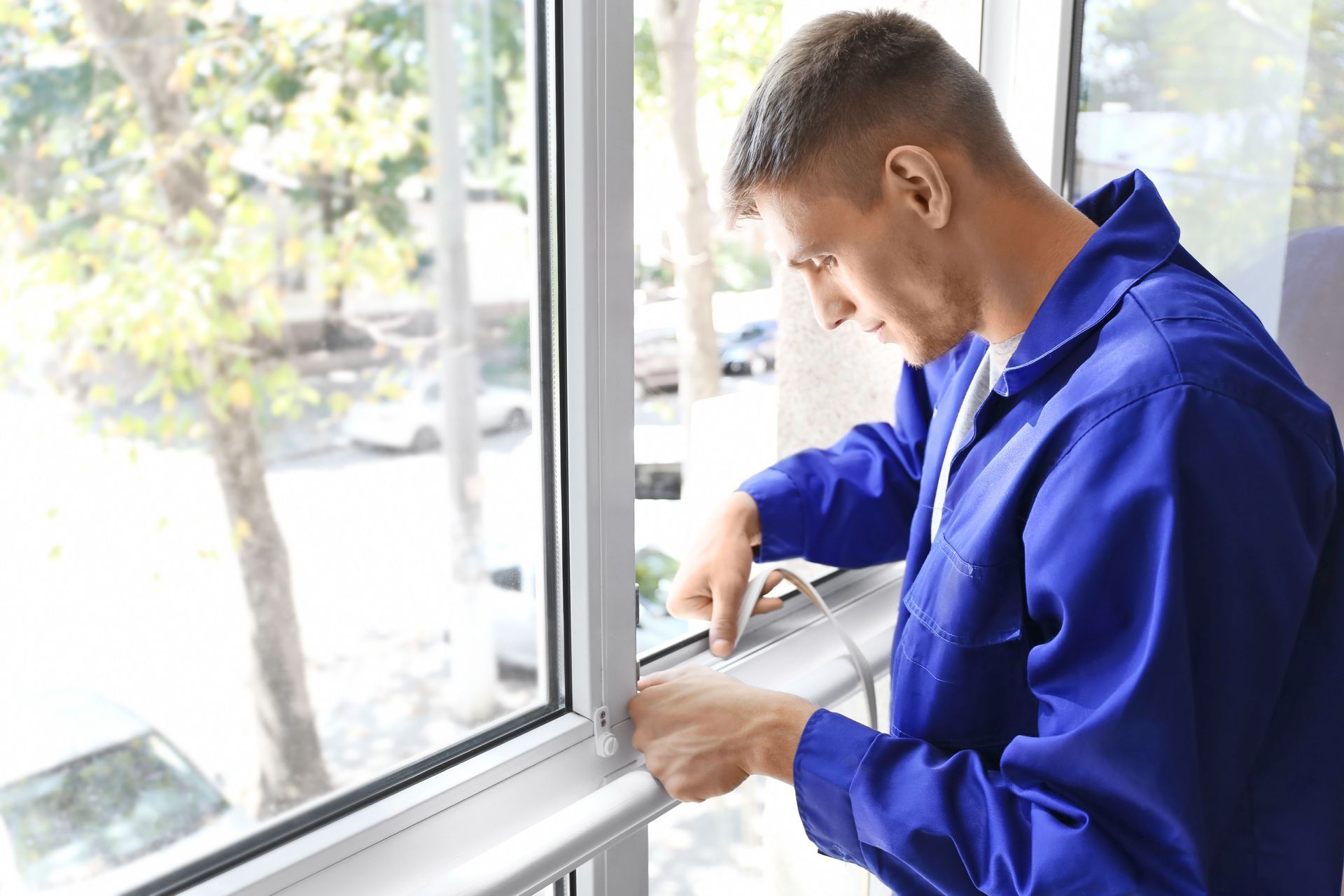
Successful window installation involves more than selecting an attractive product. Accurate measurements, proper preparation, and careful fitting help new windows perform as intended. The installation approach also depends on the condition of the existing openings and the scope of the project. Planning these details in advance can help homeowners understand what the work involves and prepare for the installation schedule.
Full-frame installation involves removing the existing window assembly, including the frame, to access the original opening. This approach may be appropriate when frames show significant deterioration, moisture damage, or other structural concerns. Removing the entire assembly also provides an opportunity to inspect the surrounding area before installing the new unit.
Insert installation, sometimes called pocket installation, places a replacement window within an existing frame that remains in suitable condition. This approach can reduce disruption to surrounding finishes and may be appropriate when the original frame is structurally sound. A professional assessment can help determine which installation method is appropriate for the home's existing conditions.
For new construction or major remodeling projects, window installation can be coordinated with the building process. Custom window sizes and configurations may also be considered when standard dimensions do not accommodate the intended design. Professional measurements and product recommendations help homeowners understand the available options before work begins.
Choosing Professional Window Replacement Services
Working with an experienced installation company helps homeowners make informed decisions throughout their window replacement project. From comparing manufacturers and styles to selecting suitable glass features, professional guidance can simplify the planning process. Proper installation is equally important because gaps, poor alignment, and inadequate sealing can affect the performance of even high-quality windows.
AP Window Co. provides residential window sales, design assistance, and certified installation services. The company offers free in-home design consultations and detailed proposals tailored to each property's needs and budget. Homeowners can also explore financing options when planning their projects. Product warranties and the company's 5-year craftsmanship warranty provide additional coverage for completed installations. Ready to explore your options? Contact AP Window Co. to schedule a free in-home consultation and discuss the right window solutions for your home.