March 18, 2026
Many homeowners focus on insulation, HVAC systems, and roofing when trying to improve energy efficiency, but windows play an equally important role. Older windows often struggle to maintain stable indoor temperatures because they were built with outdated materials and designs. As windows age, their ability to regulate heat transfer declines, which can lead to rising energy costs and noticeable indoor discomfort.
In homes with older windows, temperature fluctuations are often the first sign of declining performance. Warm air escapes more easily during colder months, while hot outdoor air seeps in during the summer. These small inefficiencies compound over time, forcing heating and cooling systems to work harder. When this happens consistently, homeowners experience higher utility bills and uneven indoor temperatures throughout the house.
A professional evaluation from a local window replacement service can help determine how much energy loss is occurring. Experienced professionals understand how window construction, frame condition, and glass technology influence overall energy performance. Companies that specialize in residential window upgrades often recommend modern replacement solutions that significantly improve insulation while enhancing a home’s appearance.
For homeowners considering upgrades, modern windows offer a combination of improved insulation, stronger seals, and durable frames that older models simply cannot match. Understanding how aging windows affect energy performance is the first step toward making a smart and cost-effective improvement that benefits both comfort and long-term savings.
Recognizing How Deterioration Reduces Window Efficiency
As windows age, several components gradually wear down, and this deterioration directly affects energy efficiency. Frames may begin to warp or crack after years of exposure to temperature changes, humidity, and sunlight. When frames lose their structural stability, small gaps can develop between the window and the surrounding wall. These openings allow outside air to enter and conditioned air to escape.
Another common issue is the breakdown of weatherstripping and seals. These materials are designed to create a tight barrier against drafts, but over time, they become brittle and less effective. When seals fail, homeowners may notice cold air near windows during winter or increased humidity indoors during the summer months.
Glass technology also plays a major role in efficiency. Many older homes still contain single-pane windows, which offer very little insulation compared to modern designs. Single-pane glass allows heat to pass through easily, meaning homes lose valuable energy throughout the year. Upgrading to double-pane or energy-efficient glass can dramatically reduce this heat transfer.
Working with a trusted local window replacement service ensures these issues are correctly identified and addressed. Professionals can evaluate frame condition, glazing technology, and seal integrity to determine whether repairs or full replacement will provide the best results. Addressing deterioration early helps homeowners prevent escalating energy costs while improving comfort throughout the home.
Identifying How Old Windows Increase Household Costs
The financial impact of inefficient windows often becomes clear through rising utility bills. When heat escapes in winter or cool air leaks out in summer, HVAC systems must run longer to maintain comfortable temperatures. This constant strain leads to higher monthly energy expenses and unnecessary wear on heating and cooling equipment.
Upgrading windows can significantly reduce these ongoing costs. According to This Old House, almost 89% of the 1,000 homeowners surveyed said their monthly energy bills decreased after installing new windows. While replacement requires an upfront investment, the long-term reduction in energy expenses often offsets those costs over time.
Beyond energy savings, replacing outdated windows can also reduce maintenance expenses. Old wooden frames may require frequent repainting or repairs due to moisture damage and decay. Hardware components can fail, making windows difficult to open or close properly. These ongoing repairs gradually add up, especially in homes with numerous aging windows.
Consulting with a local window replacement service allows homeowners to evaluate the financial benefits of upgrading. Professionals can recommend durable window systems that require less maintenance while improving insulation and energy performance. Over time, this investment helps stabilize household expenses and prevents the repeated repair costs associated with outdated window systems.
Noticing How Old Windows Affect Home Comfort
Energy inefficiency is not the only drawback of outdated windows. Comfort levels throughout the home are also heavily influenced by window performance. When windows fail to insulate properly, certain rooms may feel significantly colder or warmer than others, even when the HVAC system is running normally.
Drafts are a frequent complaint in homes with older windows. Residents may feel cool air near window frames during the winter months, which makes living spaces uncomfortable. In summer, warm outdoor air can seep inside, making it harder for air conditioning systems to maintain consistent temperatures.
Noise intrusion is another problem linked to outdated window technology. Older windows provide minimal sound insulation, allowing traffic noise, neighborhood activity, and other outdoor sounds to travel indoors easily. This can disrupt daily life and reduce overall enjoyment of the home environment.
A local window replacement service can recommend modern window options designed to address these issues. Many newer window systems include insulated frames, advanced sealing technology, and multi-pane glass that reduces outside noise. These improvements create a quieter and more comfortable living space while also supporting better energy efficiency. When homeowners address outdated windows, they often notice immediate improvements in both temperature stability and overall comfort. These benefits extend beyond financial savings and contribute to a more enjoyable and relaxing home environment.
Planning How to Upgrade Your Windows Successfully
Replacing old windows is a significant home improvement project, but careful planning helps ensure a smooth and successful upgrade. The process typically begins with a professional evaluation to determine the condition of existing windows and identify areas where energy loss is most severe.
During this evaluation, specialists examine frame stability, glass condition, and seal integrity. They also assess how well each window fits within the surrounding wall structure. These factors influence which replacement options will provide the greatest performance improvements.
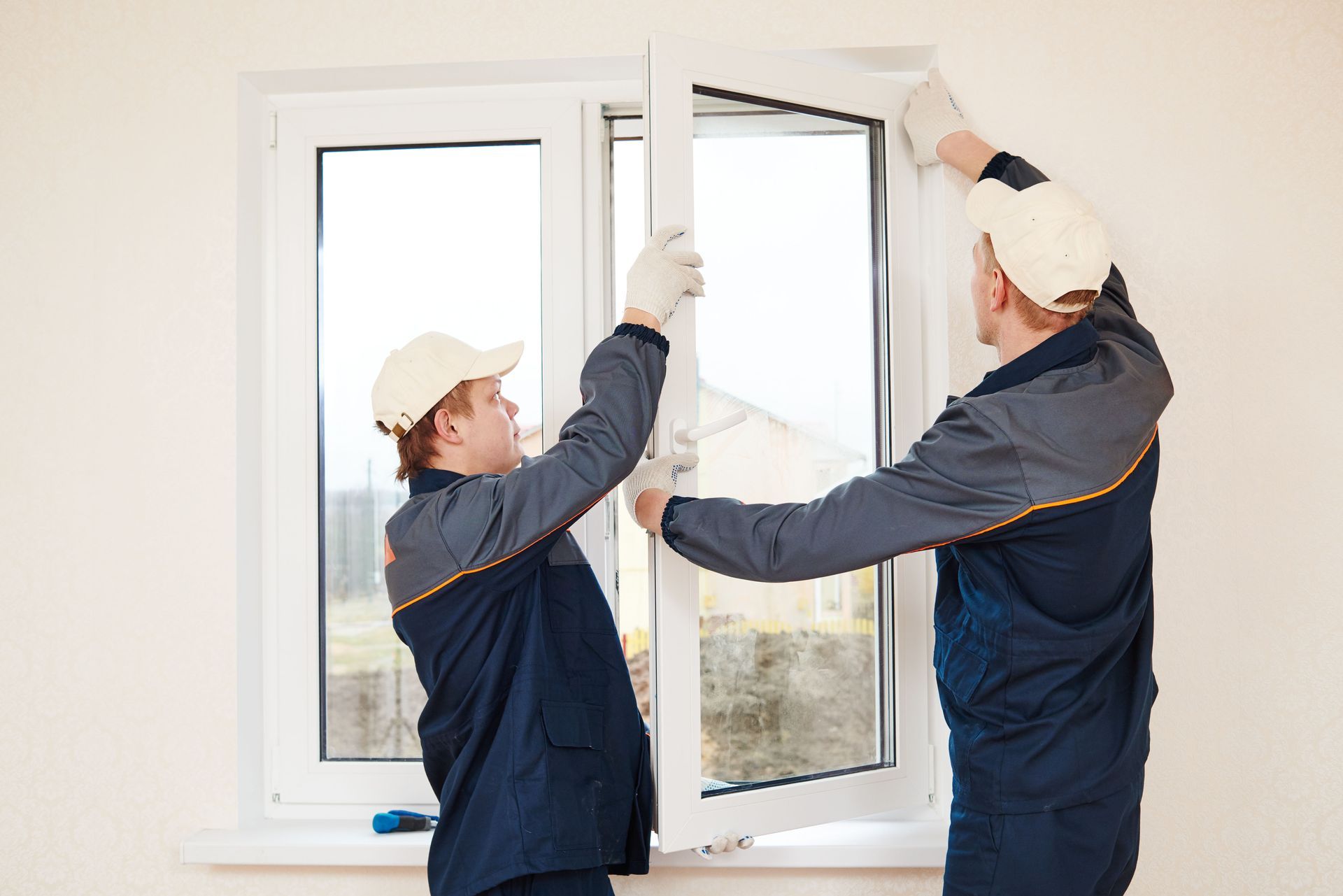
Selecting the right installer is just as important as choosing the right window product. A qualified local window replacement service has the expertise needed to ensure precise installation and proper sealing. Even high-quality windows will not perform effectively if they are installed incorrectly. Professional installation includes removing old windows, preparing the surrounding structure, fitting the new unit, and sealing it carefully to prevent air leaks. This process requires attention to detail and experience with different window types and home construction styles.
Once new windows are installed, routine maintenance helps preserve their performance. Occasional cleaning and periodic inspections ensure seals remain intact and hardware continues to function properly. With proper care, modern replacement windows can deliver reliable energy efficiency for many years.
Old windows may seem like a minor issue, but their impact on energy efficiency can be significant. Aging frames, failing seals, and outdated glass technology allow heat transfer and air leaks that raise utility costs and reduce indoor comfort. Over time, these inefficiencies place additional strain on heating and cooling systems while creating uneven temperatures throughout the home.
Upgrading to modern windows offers a powerful solution. Advanced glass technology, durable frame materials, and improved sealing systems work together to reduce energy loss and create a more comfortable living environment. Homeowners who invest in window upgrades often experience lower energy bills, reduced maintenance requirements, and improved property value.
Partnering with a reliable local window replacement service ensures the entire process is handled professionally from evaluation to installation. Experienced specialists help homeowners select the best window solutions for their homes while ensuring proper installation for long-term performance. If you are ready to improve your home’s comfort and efficiency with expertly installed replacement windows, contact AP Window Co today to schedule a consultation.